Cruise Control: Gucci Forgot Where It Was Going
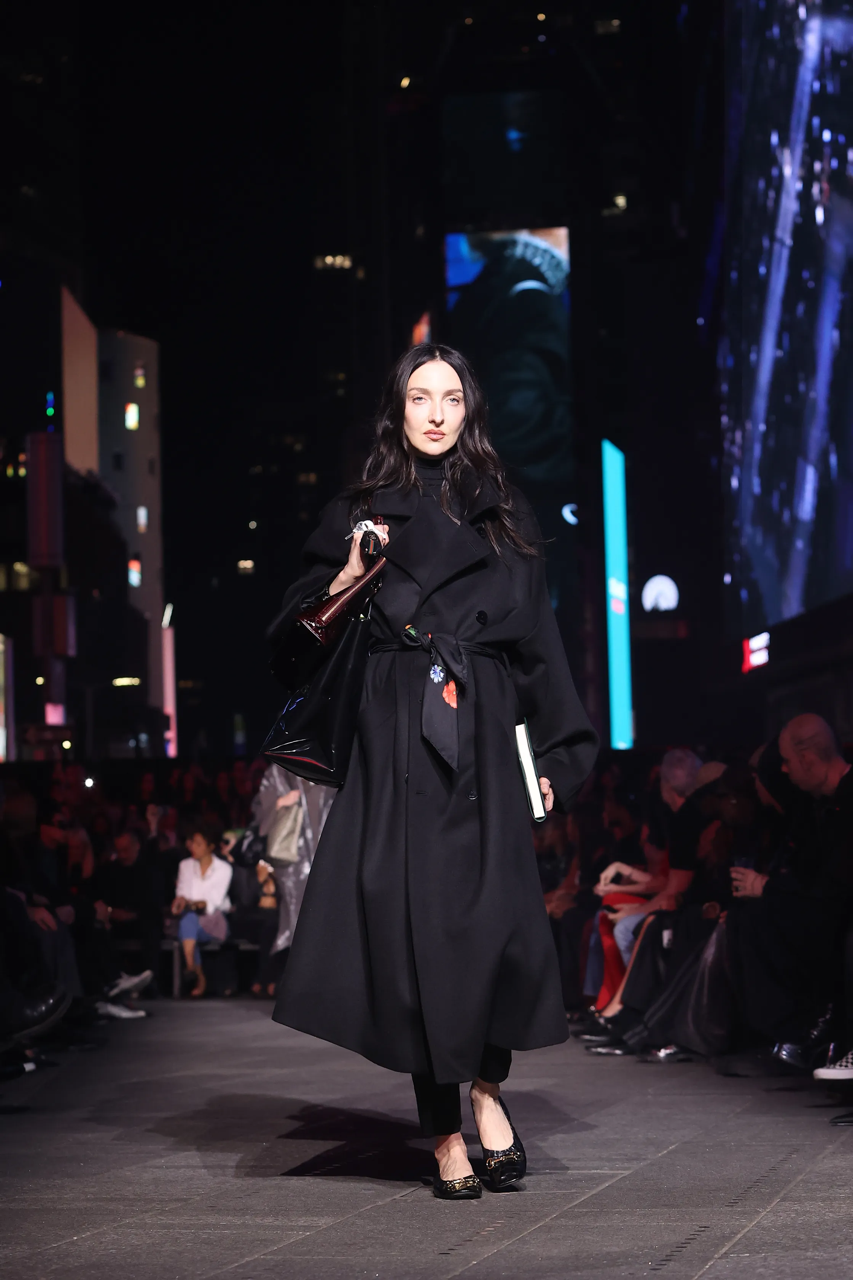
Gucci’s Cruise show in Times Square was meant to feel bold, urban and new. Instead, it exposed a bigger problem: fashion categories are losing their meaning. Cruise should suggest movement, ease and escape. This collection felt heavy, corporate and oddly wintry. At some point, evolution becomes erasure.
A Very Expensive Lack of Imagination
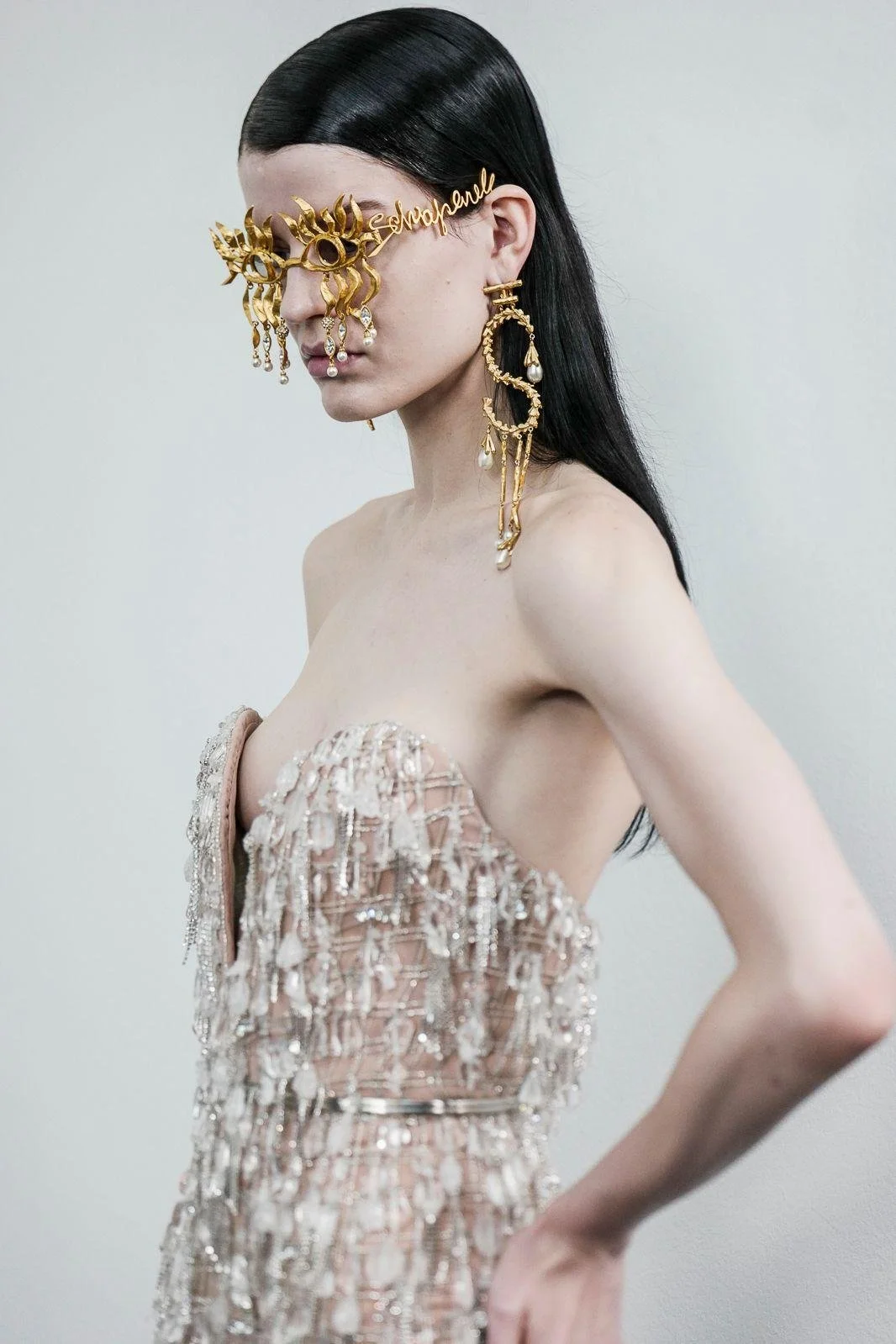
Lauren Sánchez Bezos secured reported exclusivity with Schiaparelli for the 2026 Met Gala, only to arrive in a look that exposed a much bigger problem than one boring dress. This wasn’t just a fashion misfire. It was a case study in how the Met Gala is drifting away from artistic risk and towards billionaire branding, reputation management and creativity by committee. At an event themed “Fashion Is Art”, the real scandal wasn’t excess. It was safety.
Borrowed, Branded, and Sold Back
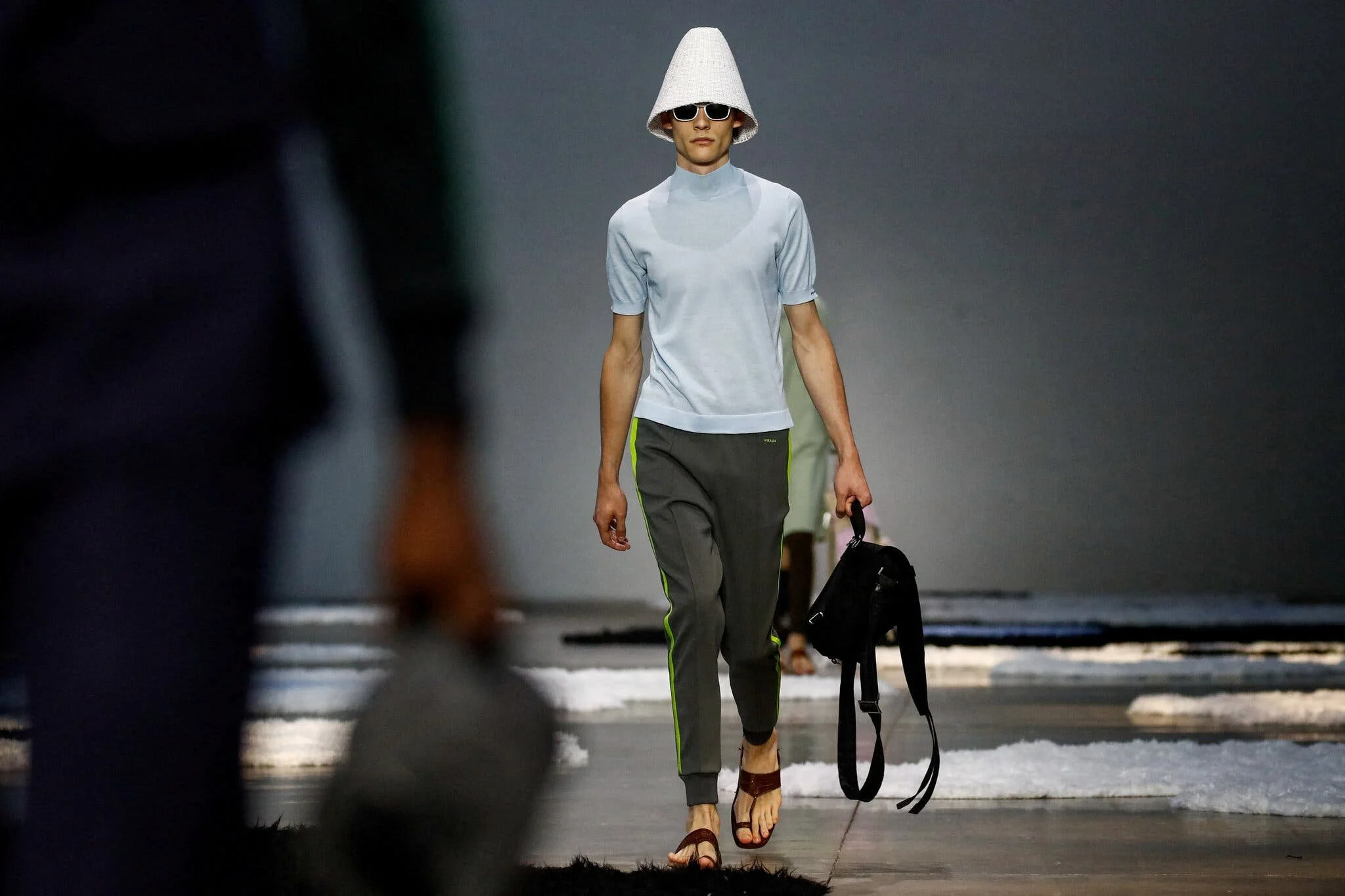
Prada’s promised collaboration with Kolhapuri artisans reads like progress — until you remember it only happened after the brand sent an almost-identical sandal down the Milan runway, priced it at over $800, and “forgot” to credit the people who’ve made the design for centuries. That’s the point: cultural appropriation in fashion isn’t a one-off scandal, it’s a repeatable script — extract, mark up, rebrand as “inspired”, apologise only when the backlash becomes expensive. And the harm isn’t theoretical. It’s economic displacement, cultural erasure, and a hierarchy where marginalised communities are punished for what luxury sells as “editorial”. Ethical exchange isn’t complicated: collaborate from the start, credit loudly, share profits, and shift power — because respect isn’t radical. It’s the bare minimum.