Luxury’s Rescue Act: Why the High Street Is Now the High-Fashion Lifeline
The Unexpected Queue
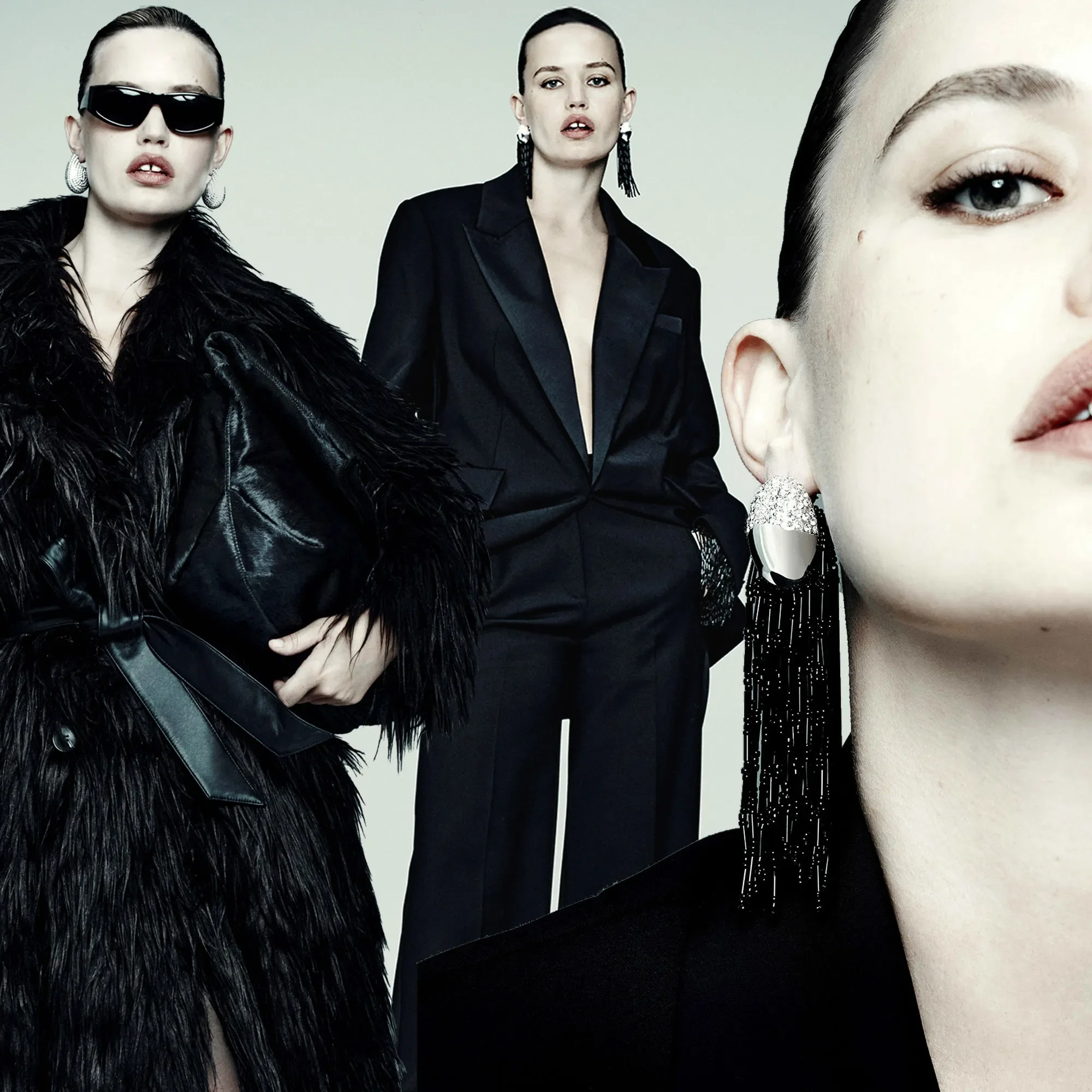
16Arlington x M&S collaboration, Glamour UK
In late October, Marks & Spencer dropped a capsule collection with London label 16Arlington — sequins, satin, and a faint scent of mischief. On paper, it shouldn’t really raise any eyebrows. Designer–high-street pairings are hardly a novelty: Karl Lagerfeld did it with H&M in 2004, and everyone from Balmain to Simone Rocha has since queued up at the till. What’s changed isn’t the concept but the context.
In 2025, these collaborations are less about hype than survival. The post-pandemic sugar high has faded, luxury growth is wobbling, and the resale boom has blurred the border between aspiration and accessibility. A capsule once meant to sprinkle glamour onto the high street is now a lifeline for both sides: the retailer borrows allure, the maison borrows reach. Marks & Spencer gets cultural heat; 16Arlington gains scale without a single markdown rack.
The question isn’t why luxury brands stoop to the high street — it’s why they need to. And the answer lies in a new arithmetic of relevance, where exclusivity no longer guarantees desire, and the surest sign of prestige might be how deftly a house can dance with the masses without losing its poise.
The Pressure on Luxury — When the Shimmer Blinks
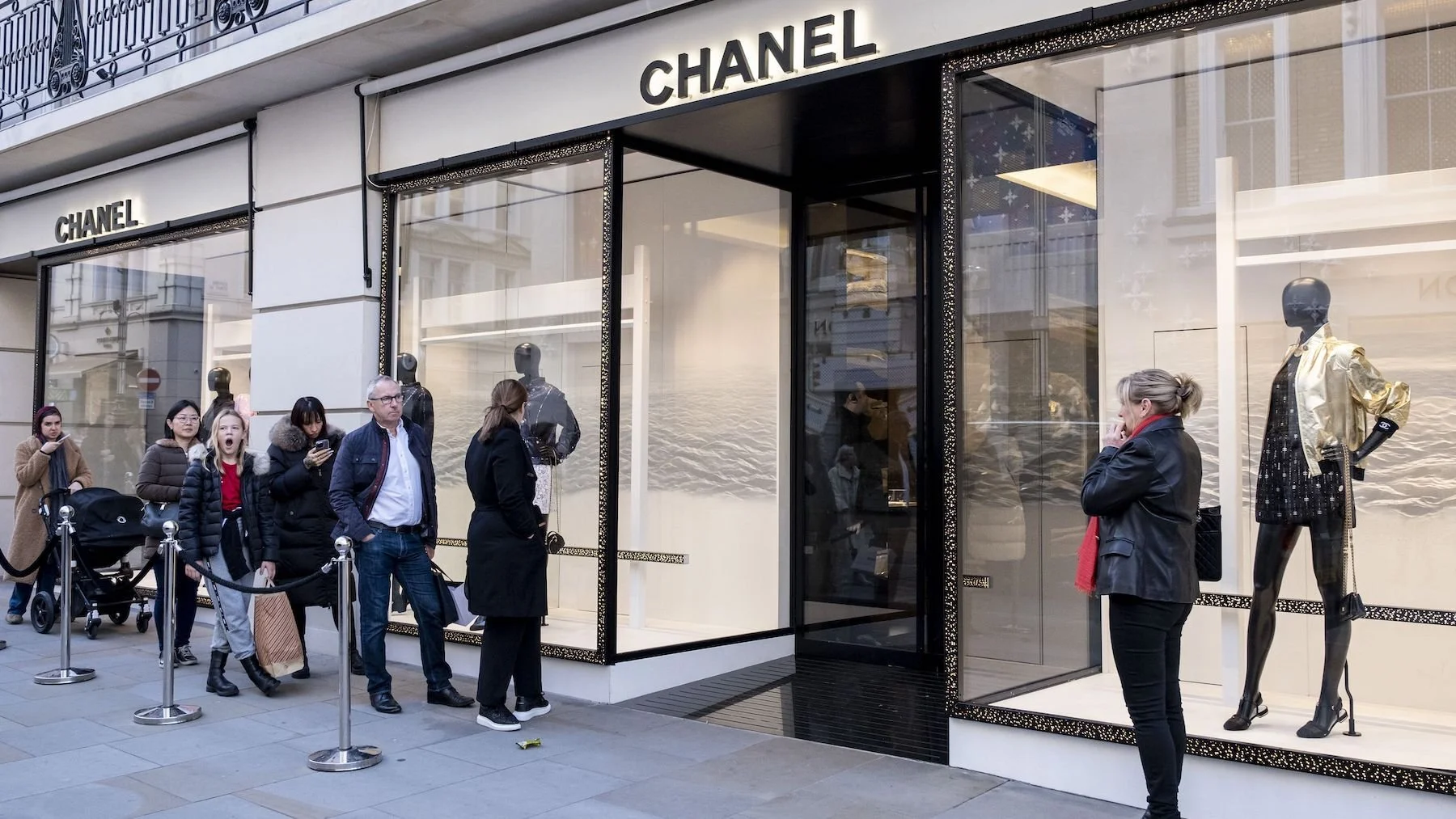
Chanel storefront queue, Business of Fashion
Luxury has always sold the fantasy of immunity — to recessions, to whims, to gravity. But 2025 has proved that even the glossiest houses can lose their footing. Start with the macro drag: Bain & Company now expects the global luxury market to slip by roughly 2%, dipping from €364 billion in 2024 to about €358 billion this year. China, once the industry’s rocket fuel, is cooling. The U.S., bruised by tariff skirmishes, is equally cautious. And the McKinsey State of Luxury report delivers the final pinch: a decade of inflationary price hikes has hit its ceiling. Volume — the unfashionable backbone of growth — is thinning. Affluent shoppers, meanwhile, are redirecting their wallets towards travel, wellness, and experiences that promise memories rather than monograms.
Then comes the reshaping force luxury didn’t quite see coming: resale. The RealReal notes that nearly half of consumers now consider resale value before buying new. Boston Consulting Group puts second-hand fashion and luxury growth at around 10% a year — triple the pace of the primary market. “Luxury for less” is no longer subversive; it’s standard. When last season’s bag appears online at 60% of retail, the psychological climb from desire to purchase suddenly flattens.
And over all this, the attention economy dictates its own tempo. In a culture wired for novelty, brands aren’t selling seasons — they’re selling moments. Micro-communities on TikTok, Discord and resale apps reward speed over heritage. Limited drops and high-street collaborations generate the kind of queues, headlines and algorithmic sparkle that a traditional runway calendar can’t always summon. Increasingly, a strategic tie-up isn’t just a sales tactic; it’s a visibility play. A way to stay lodged in the cultural feed. A reminder that in 2025, relevance is a full-time job — and even the most storied maisons are clocking in.
How the Collabs Actually Work — From Stunt to System
Once upon a time, the designer–high-street collaboration was a party trick: a single glitzy drop guaranteed to cause a mild riot outside Oxford Street. Now it’s a quiet piece of brand engineering — calibrated, contractual, and far more strategic than the sparkle suggests. Behind every £49.99 feathered mini lies a small stack of spreadsheets, three mood boards, and at least one handwritten note from a luxury creative director insisting on a particular seam.
Partner selection
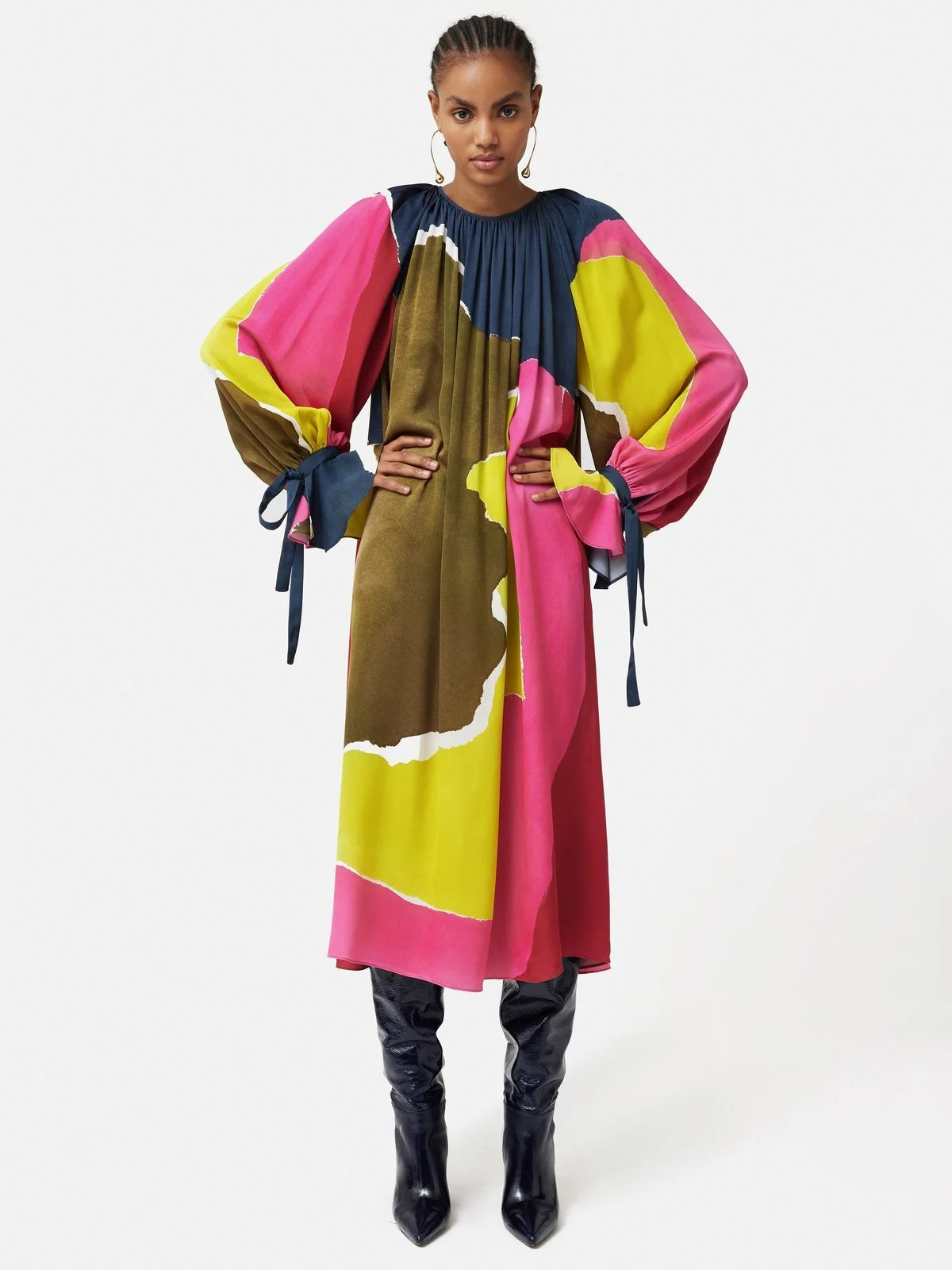
Jigsaw x Roksanda Collaboration, The Standard
The first question is brutally simple: who actually makes sense? The ideal partner sits at the crossroads of audience overlap, operational competence, and PR oxygen. A heritage maison might choose a national high-street giant for reach and reliability; an avant-garde designer will flirt with a nimble e-commerce platform that can turn an edit into a cultural moment; and increasingly, luxury houses eye sports or outdoor brands to borrow technical credibility. Behind the scenes, lawyers and merch directors obsess over risk profiles: can this partner deliver quality at scale without clipping the brand’s aura? A collaboration is, fundamentally, a marriage of reputations — one misstep, and both sides age prematurely.
Economics & structure

Kendall Jenner in Giambattista Valli x H&M Campaign, Vogue
The money, naturally, is where the romance ends and the spreadsheets begin. Most collaborations fall into two camps: licensed lines (high street makes, markets, and sells under strict brand guidelines) or co-designed capsules (a genuine meeting of hands and signatures). Fees can be flat, tiered, or tied to sell-through; revenue splits are negotiated down to the decimal. Minimum order quantities, size runs, and SKU counts are meticulously planned — too much stock and you risk a markdown massacre, too little and you spark fury on TikTok.
Distribution is engineered like theatre: flagship-only drops for prestige, nationwide roll-outs for scale, or app-first launches designed to whip up screenshots and scarcity. Purchase limits, timed queues, and micro-edits are the new choreography of desire. A modern collaboration lives or dies on its scarcity architecture — the art of looking limited while still making commercial sense.
Creative control & guardrails
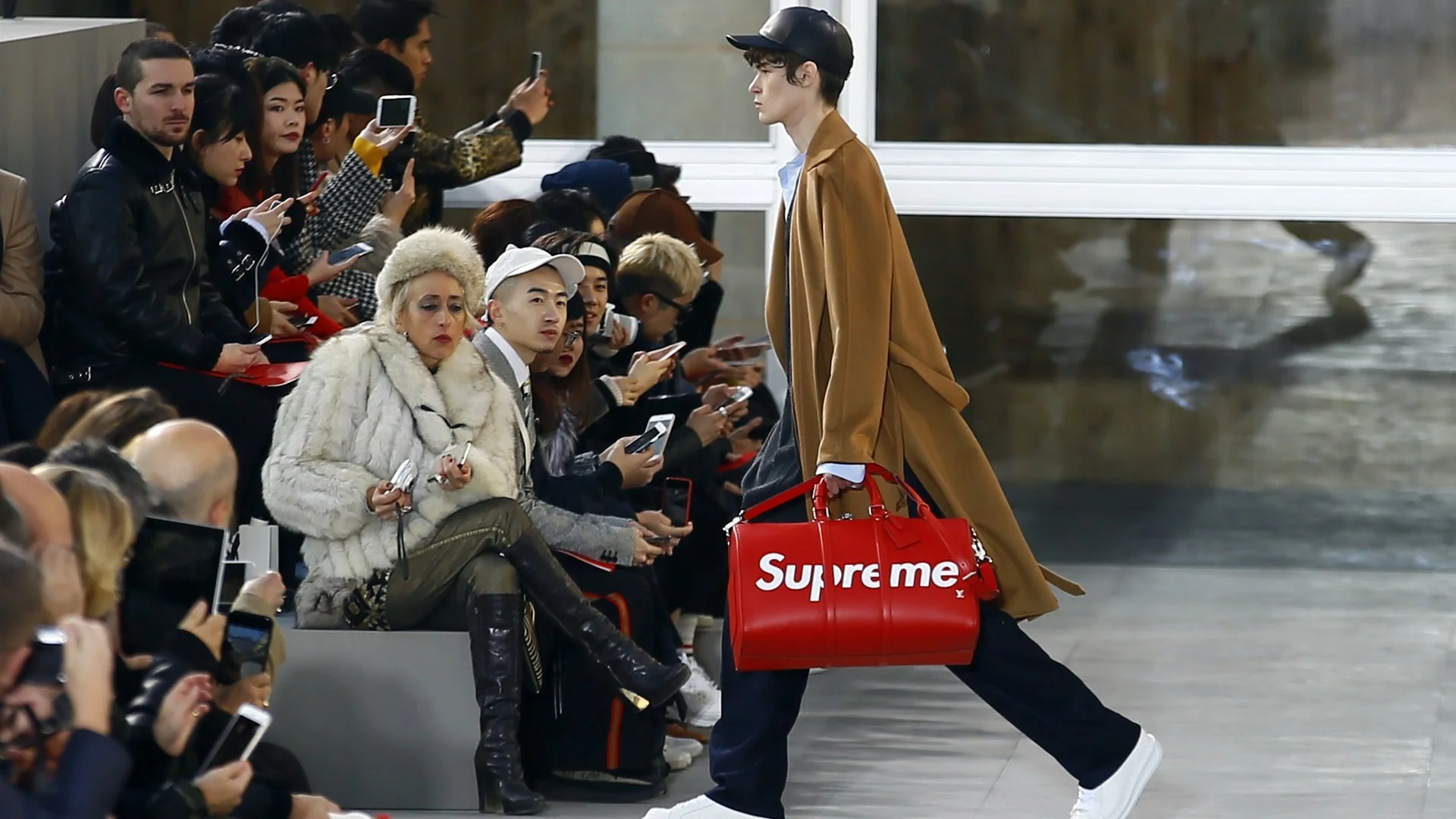
Louis Vuitton x Supreme Collaboration, QZ
Luxury houses are never more controlling than when producing a £39 top. Every collab is run through an internal DNA filter: silhouettes must nod to the archive; fabrics must mimic the brand’s hand; logos cannot shout; price ladders must make psychological sense. Prototypes bounce between creative studios and production floors until the maison is satisfied that the piece whispers its name, even at a democratic price point. This is the “aura audit”: a quiet checklist that ensures the brand’s essence survives the journey from atelier to aisle.
If the collab feels cynical or plasticky, the internet pounces. If it feels like an authentic extension of the house — edited, modern, and a touch mischievous — it sells out by lunchtime. In 2025, that is the whole game: turning what once looked like a retail fling into a precise, prestige-management system.
Case Studies — Examples in Motion
If designer–high-street collaborations were once rare meteor showers, 2025 has turned them into a fairly dependable forecast. But beneath the apparent sameness, each drop reveals something distinct about where luxury is leaning — and why. Three recent capsules tell the story.
16Arlington × Marks & Spencer
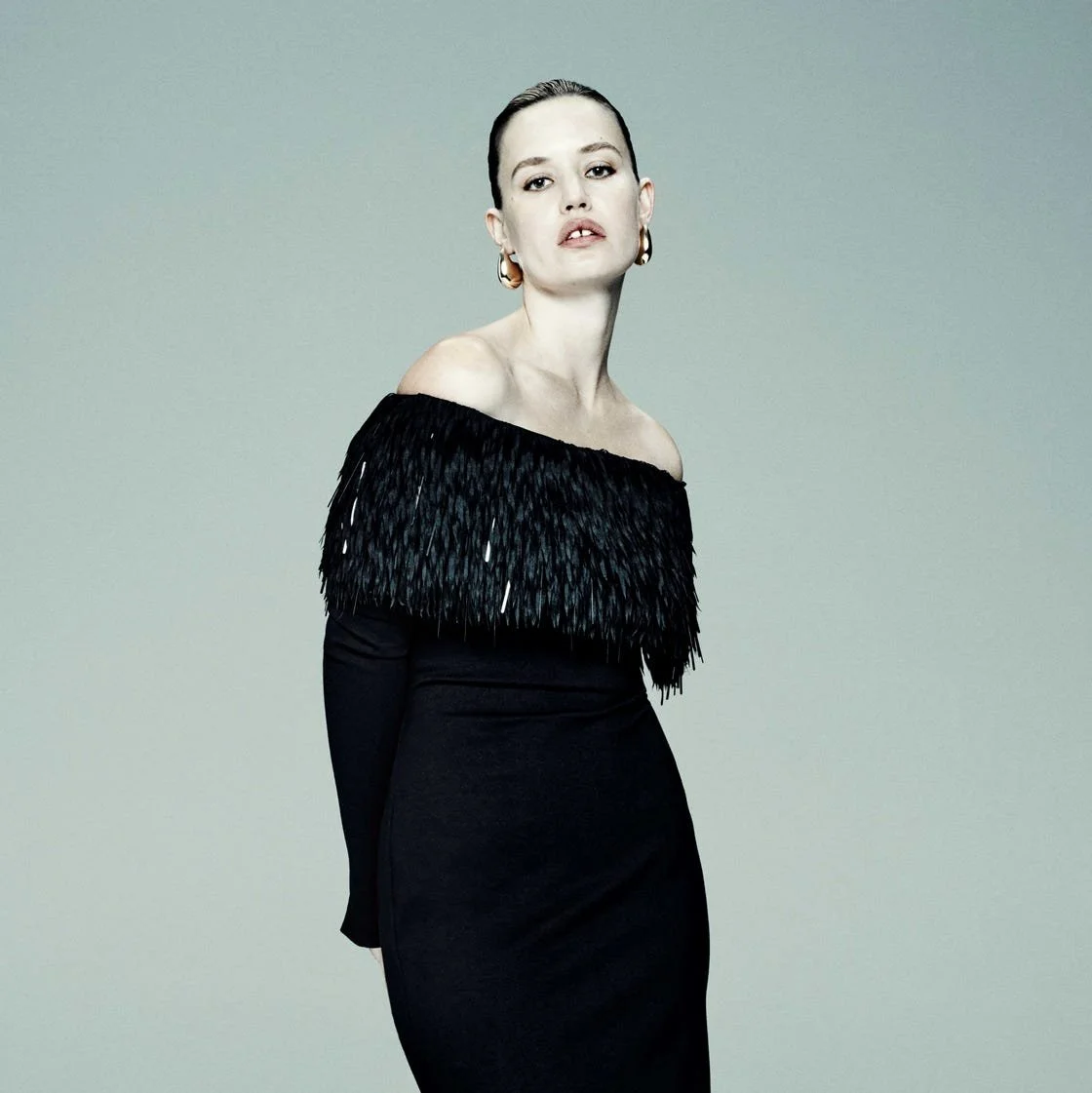
16Arlington x M&S Collaboration, ELLE
The London label best known for feather-trimmed decadence and cocktail-hour glamour decided it was time to step out of the VIP section and into the national wardrobe. M&S, hungry for fashion heat, offered the perfect stage. The result? Forty-three pieces dripping in sequins, feathers, leather, cashmere and that signature 16Arlington “don’t look away” texture. Prices ran from £35 to £300, available online and in selected stores. Editors called it “the high-street collab we’ve been waiting for this party season,” and predicted an inevitable sell-out. For 16Arlington, it delivered reach; for M&S, relevance. The trade-off, of course, is the eternal question: does bringing glamour to the masses uplift the high street — or gently sand down the luxury edge?
Olivia von Halle × M&S.
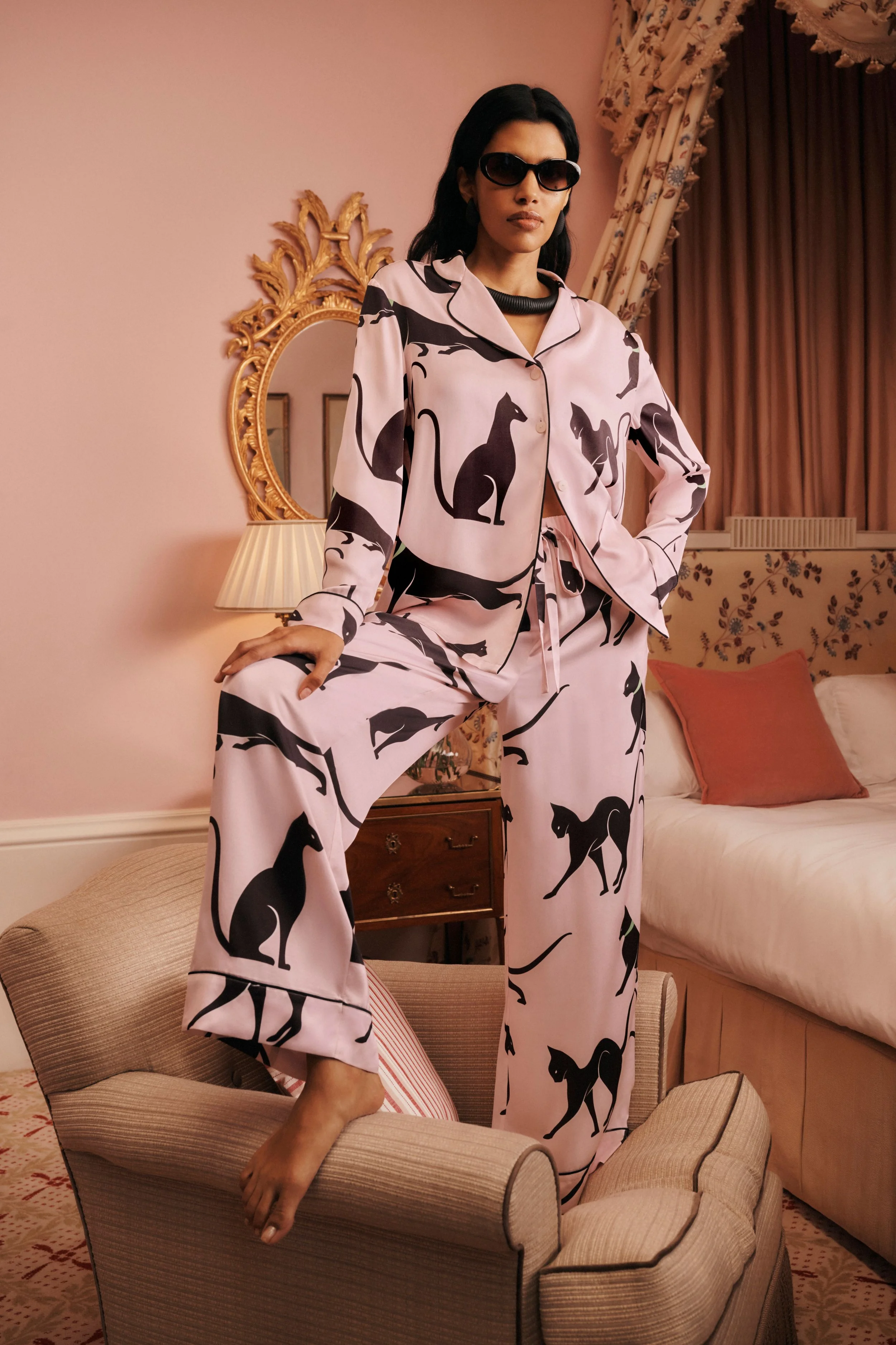
Olivia von Halle × M&S Collaboration, Marie Claire UK
Known for silk pyjamas that lounge somewhere between decadent and dangerous, Olivia von Halle wanted to widen the tent. M&S wanted a shot of boudoir chic. Their April 2025 capsule — ten pieces, twenty stores — pulled prints from the brand’s archives: a Resort 2018 floral, the Nika stripe, a mischievous AW21 cat. Prices hovered around £40–£55, cut in heavyweight satin with contrast piping and branded details. Press called them “the most luxurious pyjamas on the high street.” Shoppers queued; TikTok styled them as outerwear; The Guardian took them for a public test-run. For von Halle, the partnership unlocked fresh visibility; for M&S, another notch in its increasingly polished fashion belt. For luxury purists, however, the question lingers: can mass-market satin carry the weight of a cult silk label?
Rejina Pyo × John Lewis.
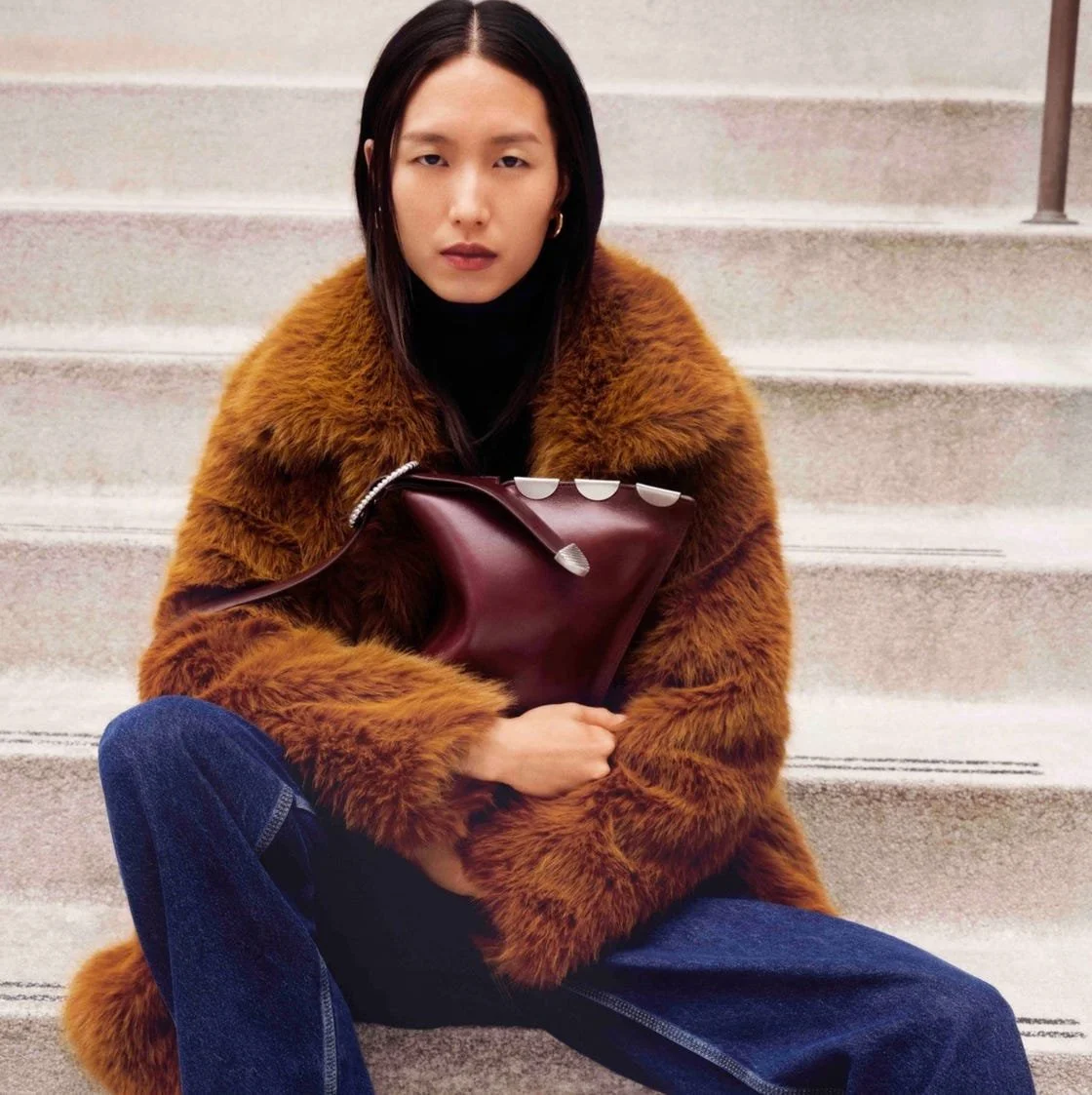
Rejina Pyo × John Lewis Collaboration, Harpers Bazaar
Launched in October 2025, this 34-piece capsule brought Pyo’s sculptural minimalism to Britain’s most polite department store. Leather trenches, faux-fur coats, cashmere-blend knitwear and structured accessories landed online and in five stores, priced from £55 to £399. The palette — chocolate, forest, burgundy, with sharp pink and blue accents — felt unmistakably Pyo even at high-street scale. Critics hailed it as “bridging the gap between aspirational and affordable,” and early sell-through chatter was enthusiastic. For Pyo, it opened the door to a broader audience without abandoning design codes; for John Lewis, it was a clear signal that premium fashion still has a home on its shop floor. The tightrope? Maintaining sculptural elegance while translating it into democratic sizing, fabrications and price.
Taken together, these collaborations show a sector recalibrating in real time — prestige looking for volume, high street searching for cool, and both meeting somewhere in the middle, feathers and faux-fur flying.
Consumer & Cultural Meaning — What ‘Luxury’ Signals Now
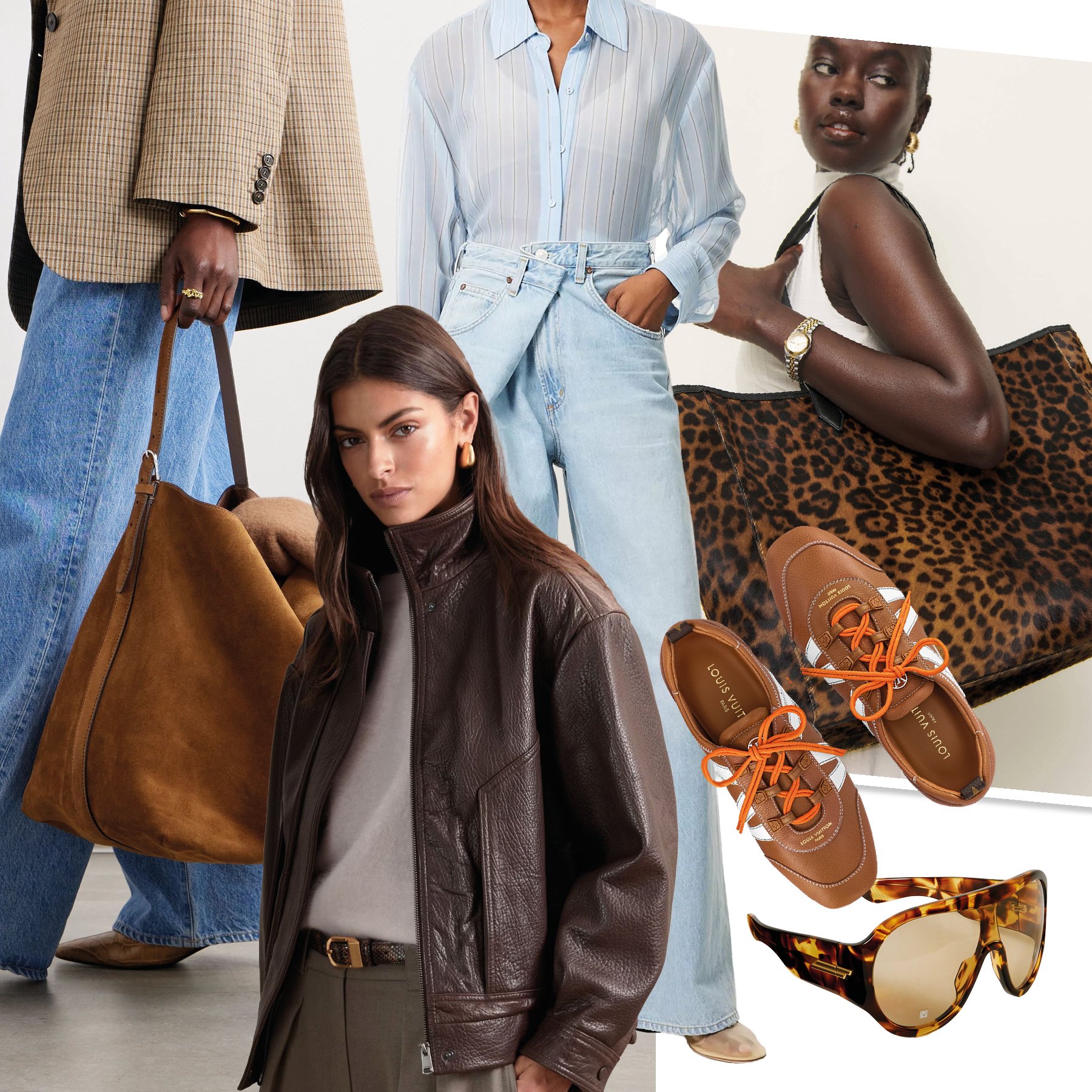
Autumn/Winter 2024 Fashion Collaborations, Marie Claire UK
If the last decade taught us anything, it’s that luxury is no longer a gated garden. Younger consumers—raised on TikTok moodboards, Depop edits and the democratic chaos of the algorithm—read taste the way editors once read runway shows: through curation, not cost. A £99 capsule dress can carry as much social capital as a £2,000 one if its narrative is strong enough. For Gen Z and the younger slice of Millennials, luxury lives in the edit: the way you pair a high-street sequin skirt with a vintage Dior jacket, or how confidently you treat access as a creative tool, not a compromise. The badge isn’t the price tag; the badge is the point of view.
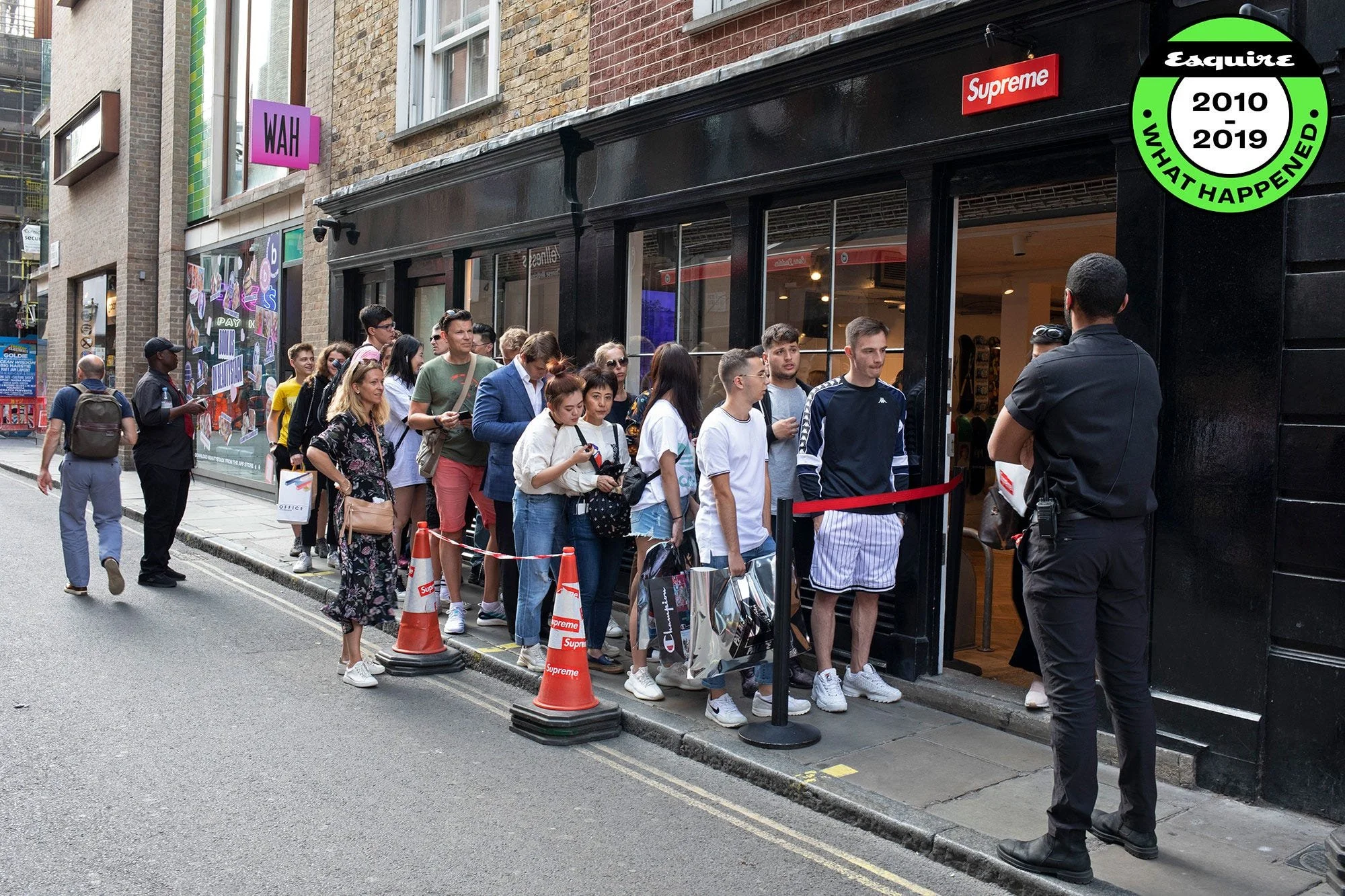
But if access is the new entry point, scarcity is still the performance. The theatre of the drop—timed queues, virtual waitlists, group chats buzzing at 8:59 a.m.—has become its own form of cultural currency. Owning a piece from a mass-market collaboration isn’t simply about the garment; it’s a receipt that you were there, at the right moment, with the right reflexes. In this climate, “limited” is less a production method and more a ritual. Even when the units number in the tens of thousands, the choreography of urgency gives the illusion of rarity—and illusion, in fashion, has always been half the magic.
Then comes the authenticity test, the line that separates a clever collaboration from a cynical one. Today’s shoppers have finely tuned radar: they know when a luxury house has simply slapped its logo onto thin polyester and hoped the hype would hold. They also know when a collaboration genuinely extends a brand’s language—when a silhouette, a fabric choice, or a small design wink feels true to the maison’s DNA. The internet is merciless when brands phone it in, but wildly generous when they take the high street seriously. In this sense, the collaboration becomes a referendum on identity: does the brand still know who it is, even when speaking to the masses?
Luxury, in 2025, isn’t a price point. It’s a perspective, a posture, a story that survives translation. And the brands that understand this are the ones winning the culture, drop by drop.
Risks, Rules, and Red Lines — Protecting the Aura
Supreme Storefront Queue, Esquire
If collaborations are the new currency of fashion, then aura is the gold standard — and it’s alarmingly easy to debase. The most immediate threat is over-familiarity. Luxury thrives on distance, on the sense that a garment has arrived from a higher, more rarefied plane. Flood the market with too many capsules, too often, and that altitude shrinks. The thrill dulls. The audience starts to treat every “drop” as just another Tuesday. Eternal novelty becomes eternal noise, and mystique evaporates in the glare of overexposure.
Then there’s the quality question, the taboo few brands like to acknowledge. A collaboration can charm at first glance, but if the hand-feel is thin, the lining synthetically shiny, or the silhouette just slightly off — the internet will notice. And it will not be kind. Luxury is built on tactile truth: a sleeve that falls with intention, a fabric that speaks softly but persuasively. When a collaboration cuts corners, the betrayal is instantly legible. The snark has a long half-life, and once consumers start doubting a brand’s standards, the damage rarely confines itself to a single capsule.
Which is why every maison needs a three-gate rule. Gate one: does this partnership bring in an audience we genuinely want? Gate two: does it add a creative idea, not just a logo? Gate three: does it prove — through craft, cut, or concept — that our brand’s core still travels, even at a lower price point? If any gate fails, the answer should be no.
Because a collaboration should translate a language, not cheapen a dialect.
What’s Next — Three Scenarios
If the luxury–high-street marriage of 2025 has taught us anything, it’s that the future won’t be tidy. The industry is tilting, improvising, rebalancing its own mythology. Three plausible paths emerge — each one already glimmering in the margins.
Scenario 1: Embedded Accessibility
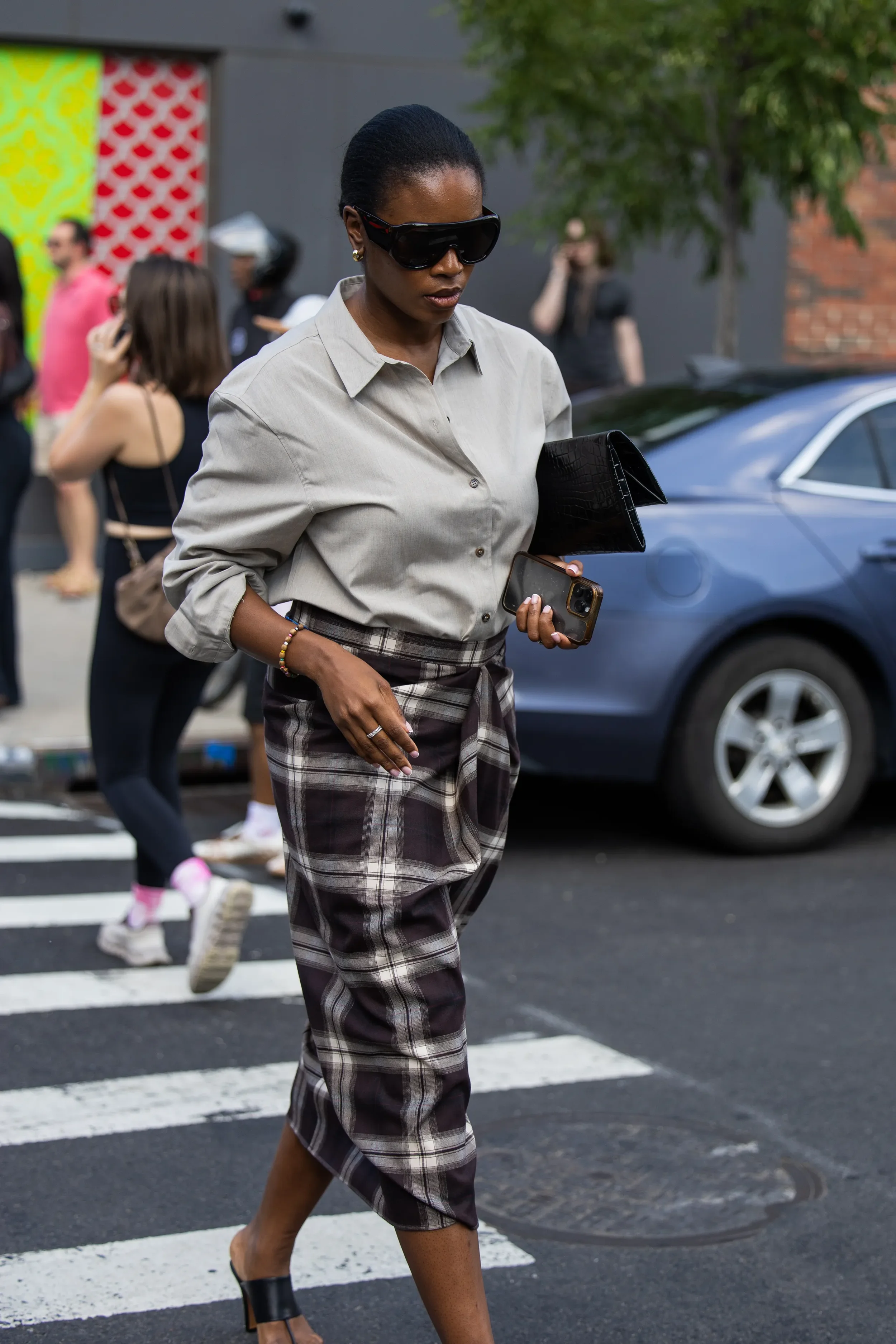
The first is the most pragmatic: accessibility becomes a permanent fixture rather than an occasional flirtation. Think of it as the “gateway wardrobe” — premium basics with a designer pulse, dropping in reliable rhythms like beauty refills or sneaker restocks. Instead of one thunderclap collaboration every few years, maisons lean into a steady drumbeat of micro-capsules: knitwear, denim, outerwear, seasonally spiked with a statement piece for the Instagram grid. It’s continuity disguised as novelty, a model that keeps tills warm while reassuring investors that relevance can be managed like inventory.
High Street Look, Vogue Germany
Scenario 2: Retreat to the Rare
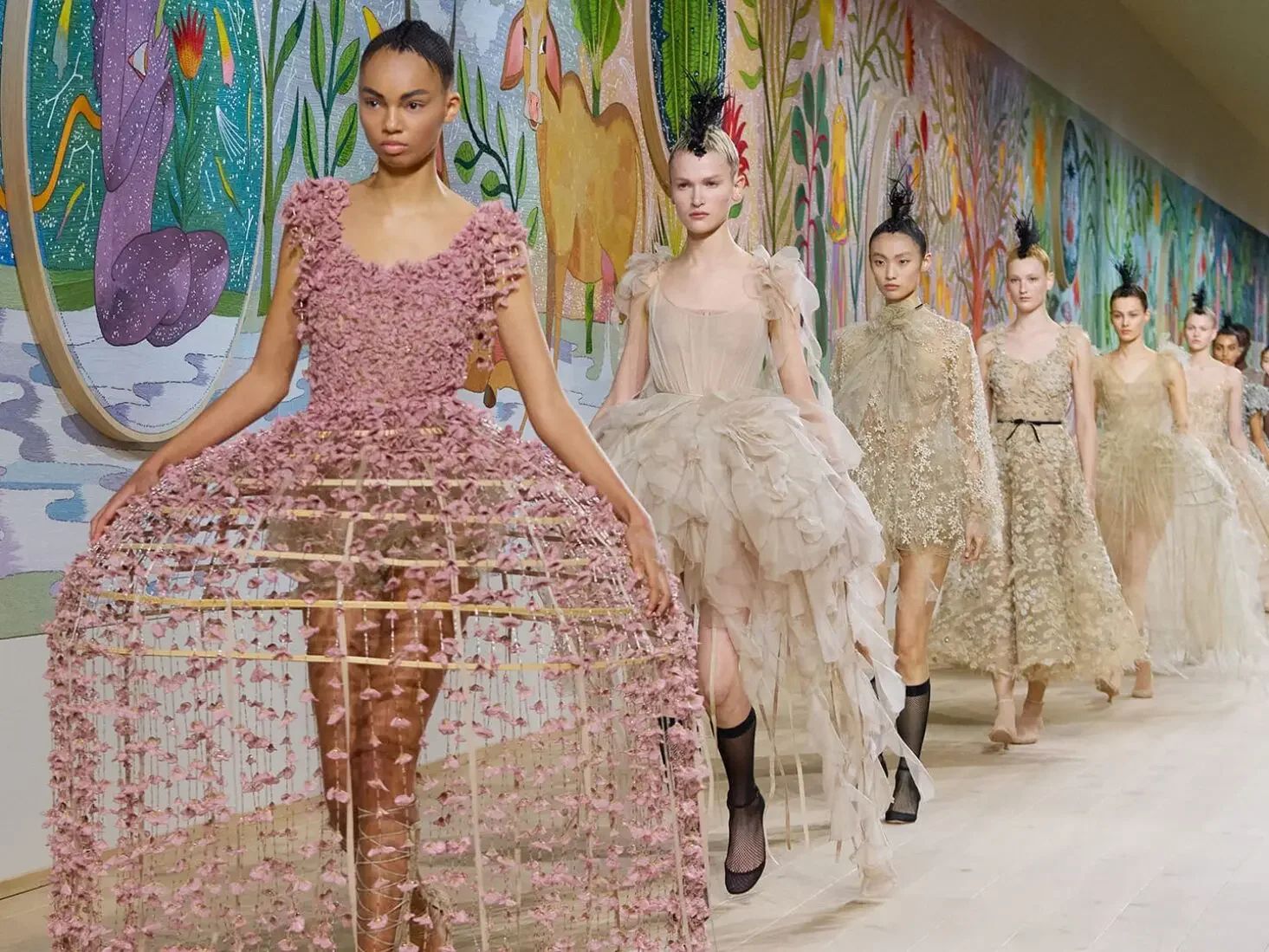
The second is luxury in its purest, frostiest form: fewer pieces, smaller runs, atelier-first craft, and a renewed reverence for the handmade. Under pressure from mass exposure, some houses may simply opt out — retreating to the high-altitude air of couture, private appointments, and invitation-only micro-collections. In this world, rarity becomes the product and clienteling the medium. It’s a defensive manoeuvre, yes, but also a way of reminding the market that true luxury has nothing to prove to the algorithm.
Dior Spring 2025 Haute Couture Collection, Luxury London
Scenario 3: Cross-Industry Hybrids
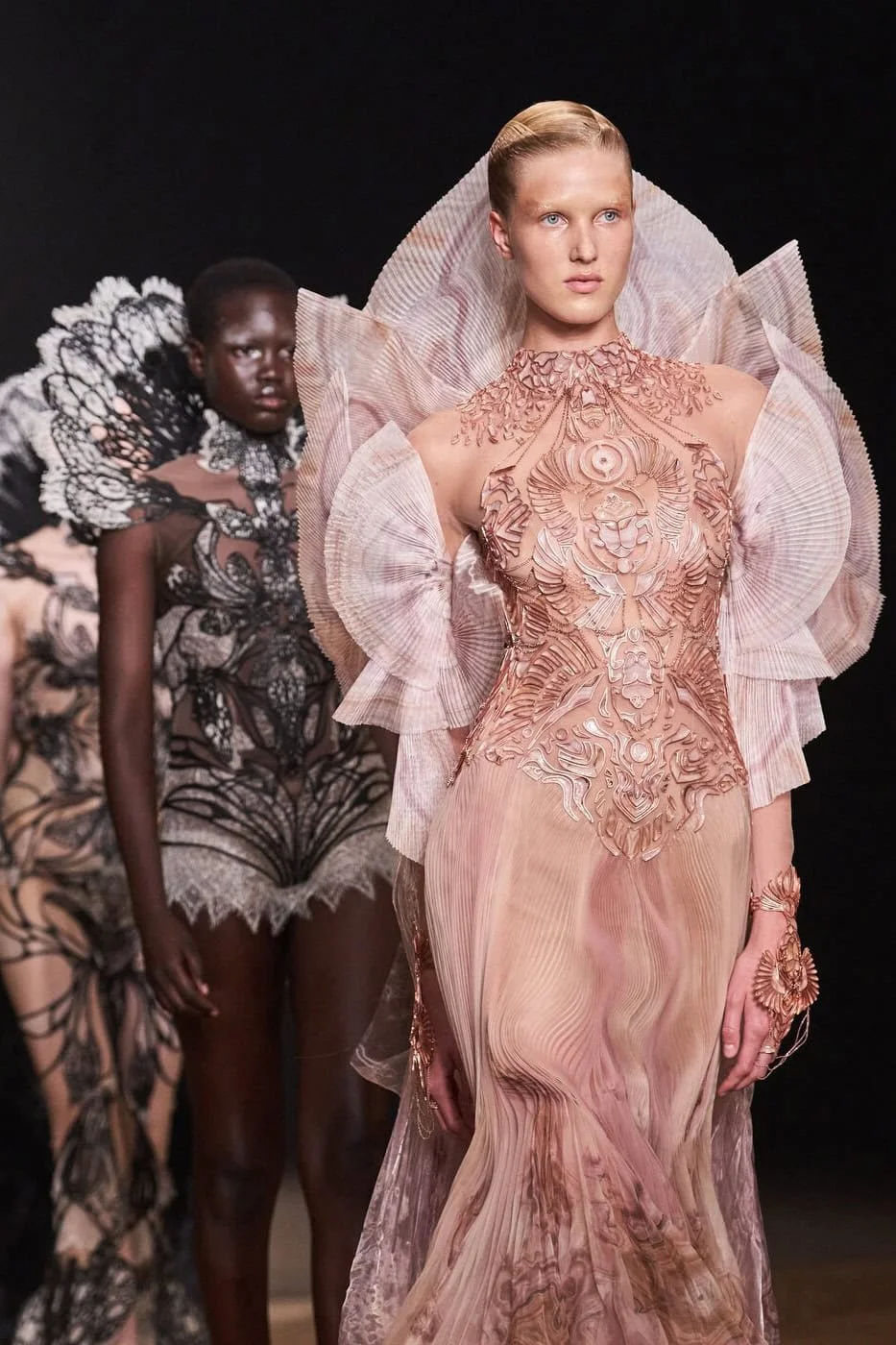
And then there’s the wildcard: fashion stepping sideways. Tech labs, outdoor giants, wellness platforms, even artisan guilds become collaborators. Performance fabrics meet couture pattern-cutting; climate-responsive textiles mingle with ballroom silhouettes. Sustainability pilots scale faster through mass-market partners; luxury borrows innovation while lending storytelling. These are the collabs that feel less like compromises and more like world-building.
Whichever path prevails, one truth holds: the brands that survive won’t be the ones clinging to old hierarchies, but those agile enough to rewrite their own rules — with flair, with strategy, and with just enough audacity to stay interesting.
Iris Van Herpen Autumn 2025 Haute Couture Fashion Show, 2025, The Impression
The Price of Cool
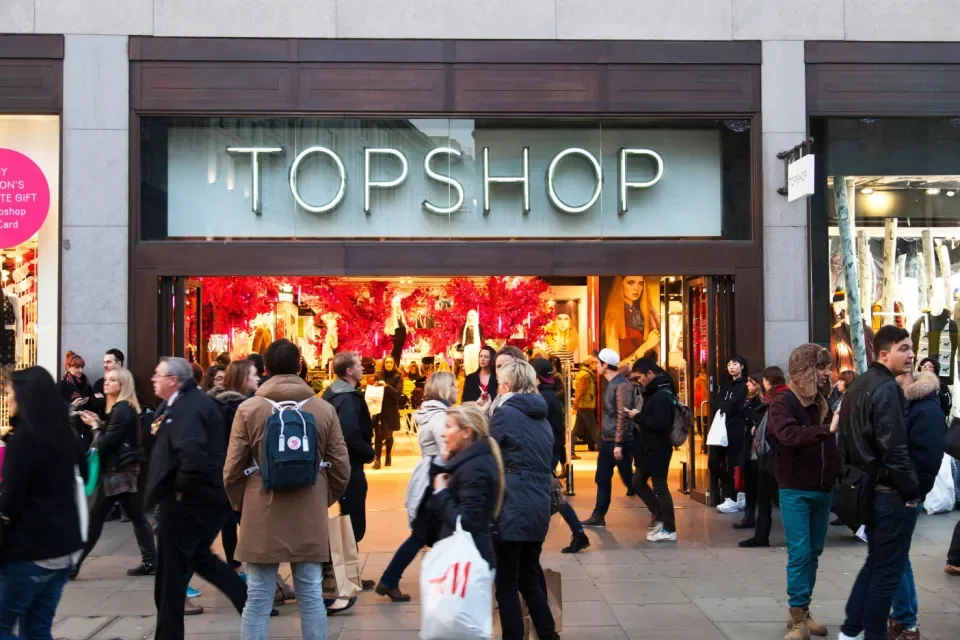
Topshop Storefront, The Sun
Luxury’s flirtation with the high street is no longer a frivolous fling; it’s a hard-edged management decision dressed in sequins. In a year when tariffs bite, growth falters and the resale market nips at everyone’s ankles, the glossy old formula of exclusivity has lost some of its shine. The capsule drop has become a pressure valve — a way for heritage houses to stay visible, desirable, solvent. But every partnership comes with a wager: gain cultural heat and broader reach, risk thinning the very mystique that made you matter in the first place. Prestige is no longer protected by price tags alone; it’s maintained by relevance, rhythm and a brand’s ability to hold its nerve while dancing closer to the masses.
And so the industry stands on a knife-edge. Somewhere, another queue is already forming: teenagers, stylists, resellers and the casually curious inching forward for the next high-street–high-fashion handshake. Another house is debating whether a capsule is a clever bridge or a slippery slope. In the end, access can be a door or a drain. The future of luxury will be decided in those liminal moments — the drop, the line, the decision to open the gates just wide enough, without letting the aura escape.
